


Air Purifiers for Dust A Visibly Cleaner Home — Breathing You Can Actually Feel
Household dust is never just dust. Every particle carries skin flakes, fabric fibres, dust mite allergens and fine PM2.5 pollution — circulating continuously even in freshly vacuumed rooms. Coway air purifiers with GreenHEPA™ filtration capture 99.99% of dust particles down to 0.01 microns, including the ultra-fine debris that settles on every surface in your home.
Independently certified by Allergy UK. Trusted by over 18 million households worldwide.
Find Your Dust Air PurifierFind the Right Air Purifier for Dust
Every Coway model uses proprietary GreenHEPA™ filtration — engineered to intercept dust particles, dust mite allergens, and PM2.5 across every room in your home.
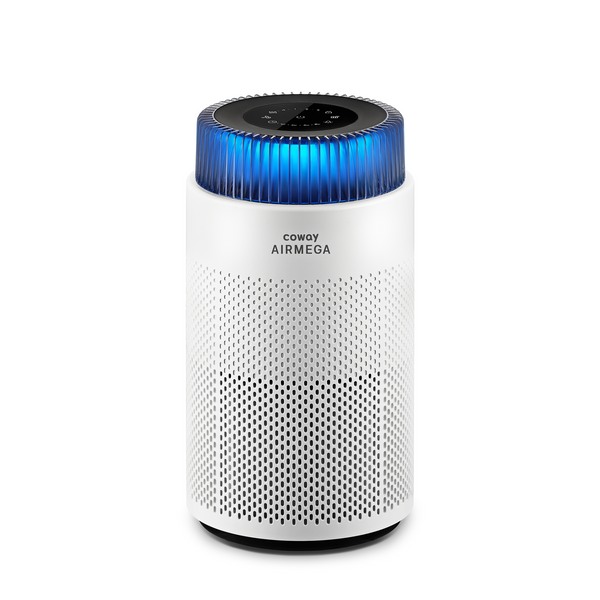
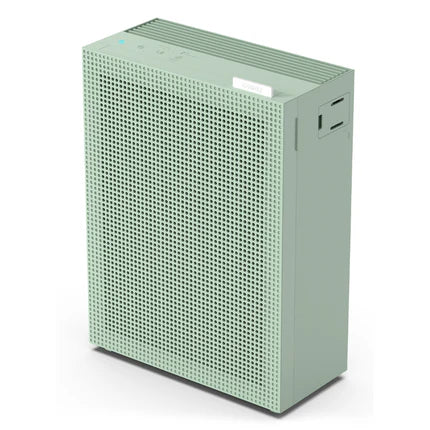
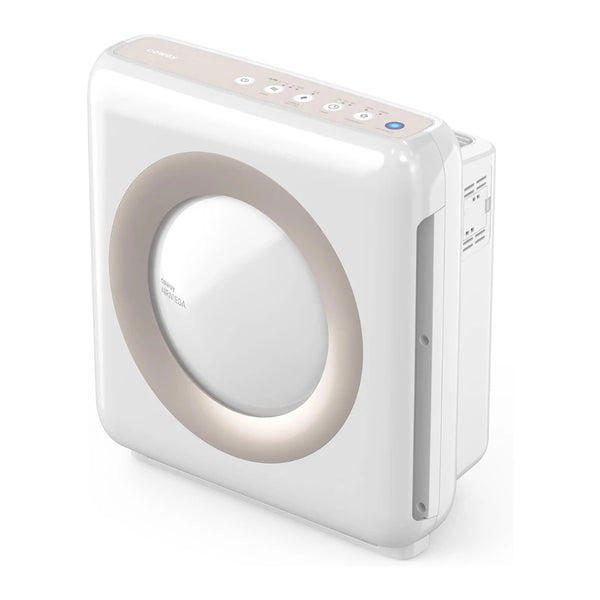
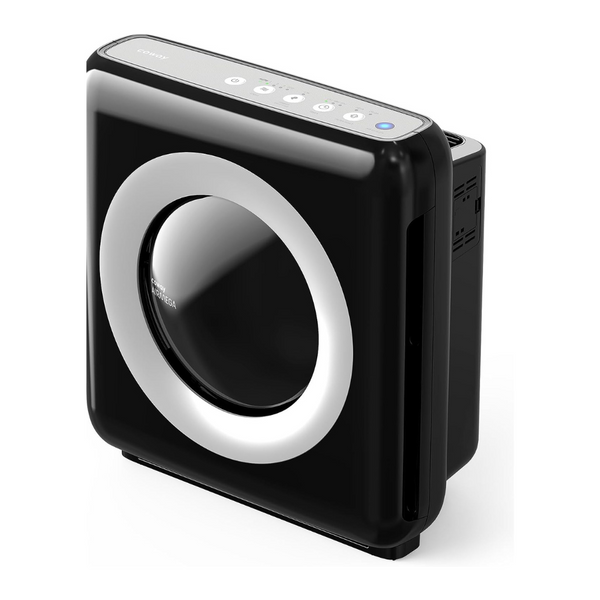
Place your purifier in the room where you spend the most hours per day, not necessarily the dustiest-looking room. Continuous filtration in your primary living space delivers the greatest long-term reduction in allergen load.
Why Standard HEPA Falls Short for Dust Sufferers
Most purifiers stop at 0.3 microns — but the dust mite allergens and PM2.5 particles that cause the most harm are far smaller than that.
Independently verified by Allergy UK · British Allergy Foundation Approved · Tested to BS EN 1822
How an Air Purifier Reduces Dust in Your Home
Vacuuming removes settled dust — but it also throws fine particles back into the air, where they circulate for hours before resettling. A Coway purifier intercepts these particles mid-air, running continuously to reduce the cumulative dust load in your home with each air-change cycle.
The average person inhales the equivalent of a teaspoon of dust particles overnight. Dust mite populations peak in mattresses and bedding — placing your purifier in the bedroom delivers the most direct health benefit.


Dust Levels Throughout the Year
Dust is a year-round problem — but its sources and concentration shift dramatically with each season.
What Dust Allergy Sufferers Say
Verified reviews from customers managing dust mite allergies, asthma, and dust sensitivity across the UK.
"The purifier itself is very powerful. Great design. The sensor is very sensitive so will notice any changes to the air quality. Filtration is very good, noticed a dust on the filter after one day of use. I recommend to pet 🐶 owners."
"My partner has all sorts of allergies and suffers a lot, having to take antihistamines etc especially at night in the summer time. We also have cats and ongoing battle with mould in the house. Since using this product I’ve seen a dramatic improvement in my partners symptoms, so I’m sure it works! The amount of dust, cat fur and other nasty things that accumulates on the washable pre filter is disgusting! I regularly vacuum the house so it’s surprising the amount that this collects."
"I got this to combat ongoing renovation dust because I need to still live in the house while work is being done. I had enough of irritated eyes and sore throat so had to find a solution. This one was super easy to set up, simple to use, and the coloured air quality settings confirm to me I really needed this. It is rather large for my tiny house, but at this point I really couldn't care less. It does what it says and very effectively too. I think this will be a reassuring apparatus to have in the house even after the renovation is over. Yes, I would buy this same one again."
Dust & Air Purifier FAQs
Everything you need to know before choosing.
Yes — air purifiers are one of the most effective interventions for reducing airborne dust and dust mite allergens. They do not replace vacuuming (which removes settled dust from surfaces), but they intercept particles before they settle and continuously clean what vacuuming misses. Users typically notice visible dust accumulation on surfaces slowing down within 2–4 weeks, and allergy symptoms — particularly morning congestion and itchy eyes — improving within the first 1–2 weeks of bedroom use.
Yes, noticeably so. Airborne dust particles are intercepted before they can settle on shelves, furniture, and electronics. Most users report extending the interval between dusting sessions by 2–4× compared to before. This is especially pronounced in older properties and homes near busy roads, where fine outdoor particulates infiltrate constantly. The effect is strongest when the purifier runs 24/7 rather than only when people are present.
In a typical home, Coway filters last 10–12 months. In a noticeably dusty home (older property, open fireplace, multiple occupants, proximity to construction), plan for 6–8 months. The filter indicator on every Coway model monitors real air quality and alerts you when a replacement is due — there is no need to guess. Coway's Filter Subscription delivers replacements automatically at a 15% discount, calibrated to your actual usage pattern.
Dust mite allergens (Der p 1 and Der p 2 proteins) are just 0.1–2μm in size — well below the 0.3μm threshold of standard HEPA. The Airmega Mighty range, with GreenHEPA™ filtration rated to 0.01μm, is our most effective option for dust mite allergen capture. Place it in the bedroom for maximum benefit, as that is where exposure is highest and most prolonged. Pair it with dust mite mattress and pillow encasements for the strongest combined effect.
Yes. PM2.5 particles from traffic, industry, and cooking penetrate buildings through small gaps even when windows are closed. GreenHEPA™ filtration captures PM2.5 completely. On high-pollution days — typically still, cold winter mornings in urban areas — indoor PM2.5 can actually be higher than outdoor levels if there is no filtration. Running a Coway purifier year-round provides continuous protection against both dust and pollution, not just during visible dust events.
Coway: 35 Years of Cleaner Air
Since 1989, one mission: bringing fresh, healthy air into every home.